
Owner: Aaron Fitzell
Last Updated: 2026-02-25
Version: 1.0
(have an idea for how this SOP could be better? Please fill out the Suggest Edit form at the very bottom of this procedure)
Procedure Info
Tags
radio, two way, two-way, 2 way, 2-way, cb, comms, communication, UHF, handset, radio protocol, channel, dispatch, calling, radio use
Purpose
A practical guide for procedure and etiquette using the two-way radio to communicate with operations and other Panorama vehicles.
Because the two-way radio is critical safety equipment, it’s important we’re using it like an emergency responder would, following these guidelines to keep communication clear and uncluttered.
When to Use This SOP
Who Should Use This SOP
These guidelines are for all drivers and operations personnel who need to use the two-way radio system.
Tools and Resources Needed
Guidelines and Etiquette
Radio Switched On & Operational
Every driver is required to make sure that their vehicle’s two-way radio is switched on and operational while driving.
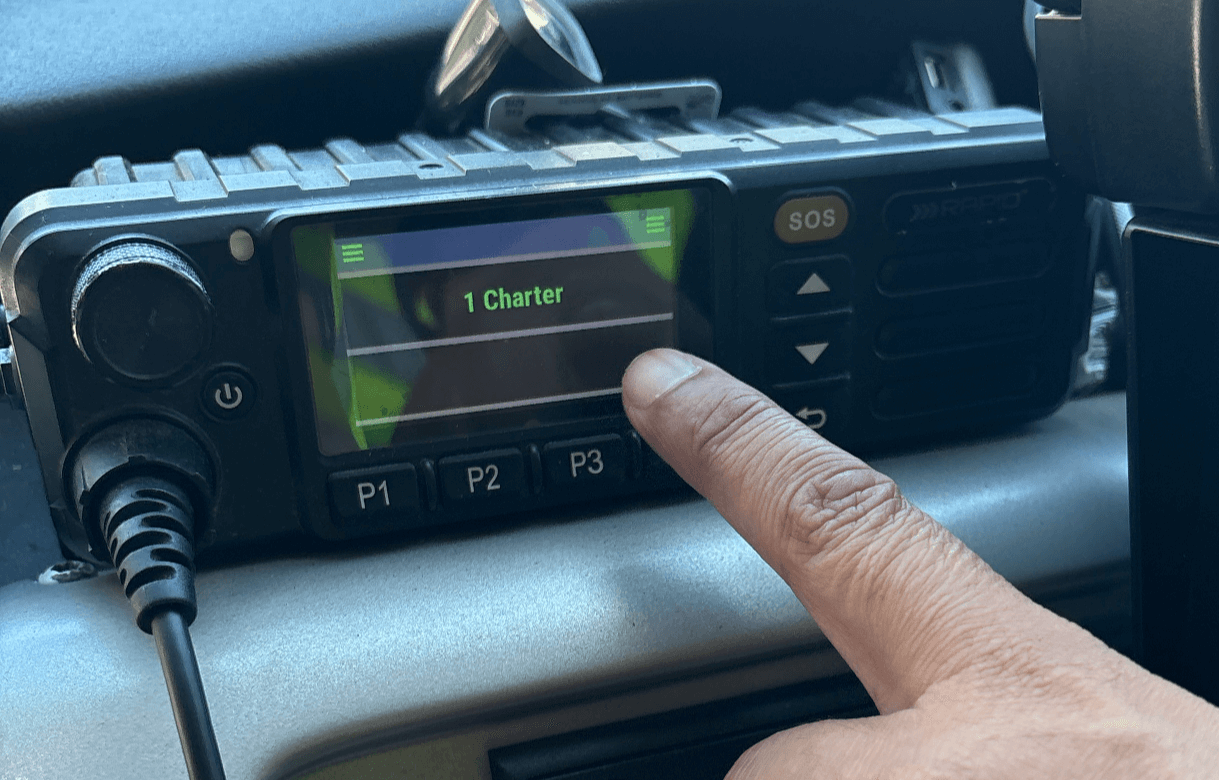
Contactable When Parked
In metropolitan areas, empty coaches must be parked in a position that allows contact with the operations at all times. If not possible for whatever reason let operations know.
- NOTE: Some Mercedes models require the ignition to be left in the on position when stopped for the two-way to function.
- NOTE: If leaving the vehicle for more than 15 minutes inform operations.
Call Signs
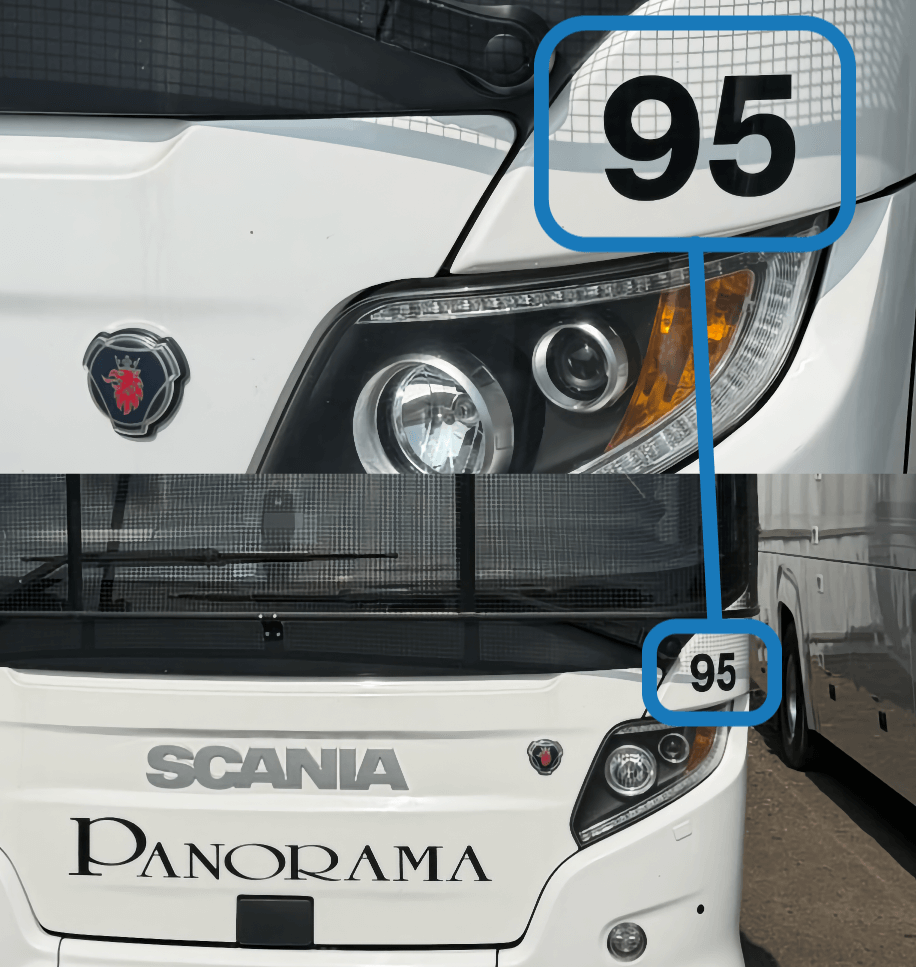
- Vehicle call signs are their fleet number.
- For example the call sign for Bus 116 is “one one six”.
Structured Messages
- Call to Base:
- Structure: [FLEET NUMBER] to Panorama Base. (slight pause) [MESSAGE].
- Sounds like: “one one six to Panorama Base…Heading out on my run.”
- Starting with your fleet number and a slight pause makes it easier for operations to register who’s speaking.
- Call to Another Vehicle:
- Structure: [YOUR VEHICLE FLEET NUMBER] to [OTHER VEHICLE FLEET NUMBER] (slight pause) [MESSAGE]
- Sounds like: “one one six to four seven…I just saw a bingle blocking traffic in your lane on Cherry Tree Road. You’ll probably hit in about 3 minutes.”
Short Messages
- Keep the messages as short and specific as possible.
- Form your message completely in your mind before you transmit.
Avoid Repeated Calls
- Repeated calls trying to contact operations or another vehicle should be avoided. If you have tried 2-3 times with no answer, try making contact some other way.
Clear Channel When Finished
- Once your message or discussion is finished, let other drivers know the network is clear, and available to use.
- Use “over” to call the channel clear but that you’re waiting for a reply.
- Sounds like: “one one six to Panorama Base, left windscreen wiper is non-functional. Please advise. Over.”
- Use “out” to call the channel clear for use.
- Sounds like: “Thanks base. One one six Out.”
Note: the user who initiated the conversation generally calls “out”.
Don’t Interrupt
- Pay attention and make sure other traffic is not in progress before you transmit.
- Wait to hear “out” before keying your radio.
Eliminate Out of Scope Chatter
- The two-way serves a critical operational need.
- Using it to talk about non-Panorama business compromises its utility and is unprofessional.
- Out of scope chatter includes:
- weekend and after work plans
- personal life issues
- joking with other drivers
Keep it Professional
- Passengers can overhear our two-way conversations.
- Out of scope and inappropriate chatter makes you and your colleagues look like amateurs.
- Inappropriate chatter includes:
- Notifying drivers of police presence or speed cameras
- Discussing accidents, injuries or fatalities
- Discussing passengers or clients.
- Remember: everyone can hear you.
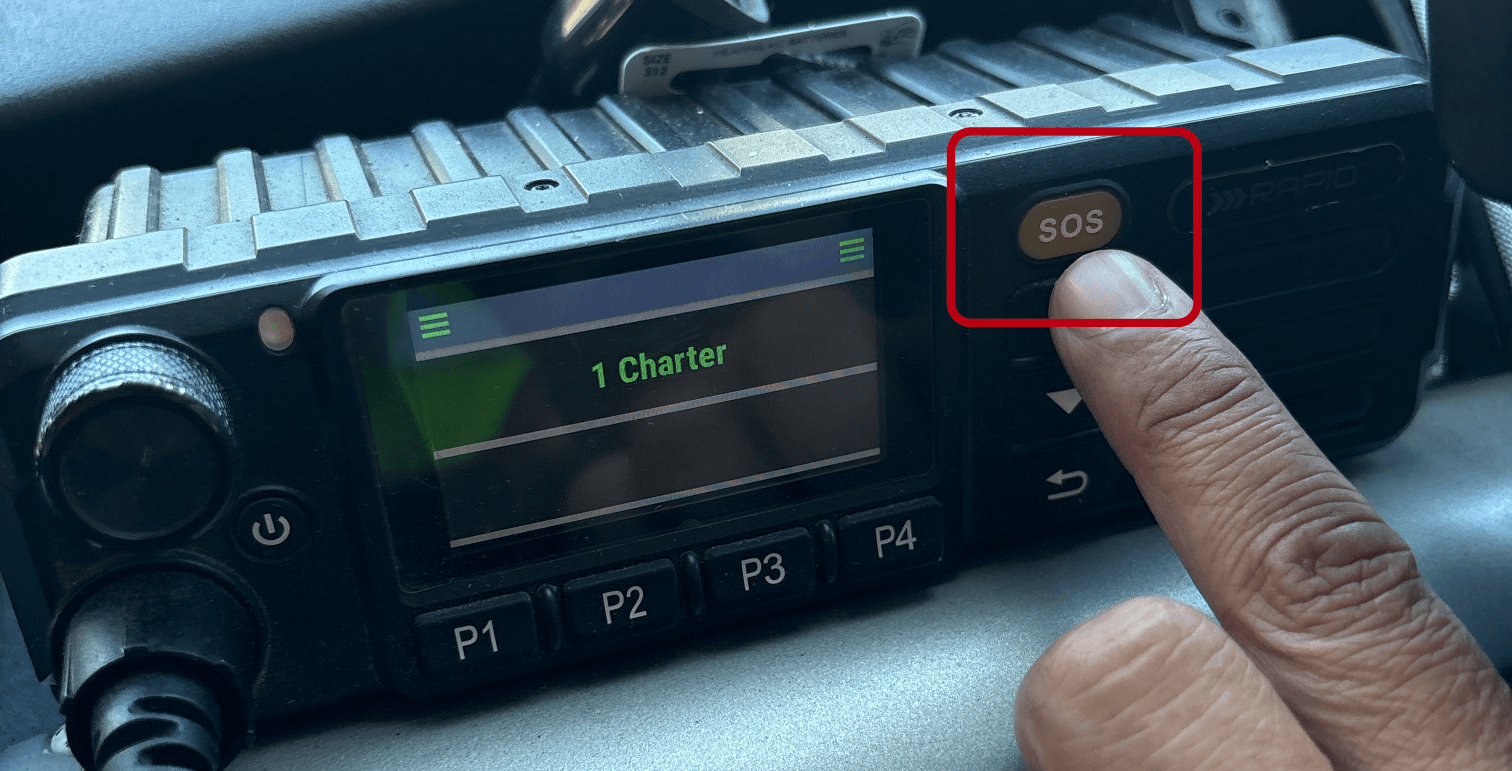
In an Emergency Use the SOS Button
- Operations will respond promptly to verify the emergency and guide you through next steps.
Review Schedule and Change Log
| Version | Date | Author | Change Summary |
| 1.0 | 2026-02-25 | Joel Smith | Initial draft |